![[current-page:title]](svg/facebook.svg)
![[current-page:title]](svg/linkedin.svg)
![[current-page:title]](svg/email.svg)
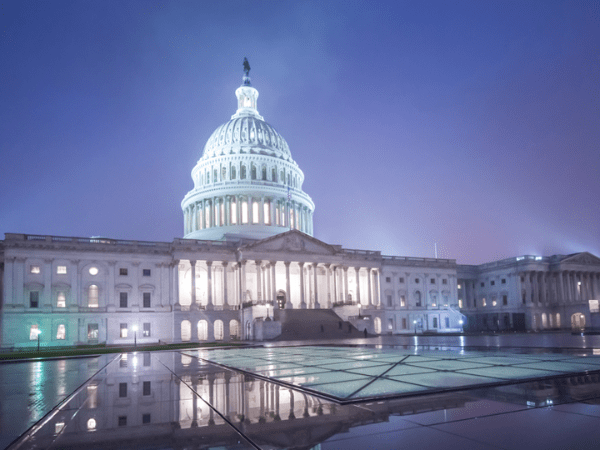
On January 27, 2025, the Office of Management and Budget (OMB) issued a memo ordering a temporary pause on agency grants, loans, and other financial assistance programs. A judge delayed its implementation until February 3, 2025. However, on January 29, OMB rescinded the memo, though the executive order behind it remains in full effect.
Despite the memo’s reversal, the initial action caused significant disruption, spreading confusion and uncertainty across the sector.
Nonprofits now face an unclear landscape. The executive order is vague, leaving open the possibility that certain programs may still experience funding freezes. This uncertainty has fueled fear, particularly among organizations that suspect they could be targeted. However, the full impact on nonprofits remains uncertain.
What Should Nonprofits Do?
Make Your Voice Heard
There is strength in numbers. The National Council of Nonprofits has already spoken out against the freeze and initiated a legal challenge. Engaging with advocacy groups like these can provide critical support and information. Also look to local advocacy groups for mobilization.
Additionally, nonprofits should reach out to policymakers to highlight the real-world consequences of these funding disruptions. Mobilizing your networks can amplify this message.
Communicate Proactively
While nonprofits are still navigating the situation, their stakeholders may be even less informed. Be transparent with funders, volunteers, and the communities you serve. Keep them updated on developments and your organization’s response.
Secure Existing Funds
If your nonprofit has outstanding federal grant reimbursements, follow up persistently. Ensure all reporting is current to minimize delays.
Prepare for a Worst-Case Scenario
Nonprofits should consider contingency plans. If funding is reduced, assess which projects may need to be scaled back or eliminated to remain operational.
Seek Alternative Funding Sources
With federal grants at risk, competition for private funding will likely increase. Even if your nonprofit isn’t heavily reliant on federal funds, the sector is going to have to have a greater reliance on public funding from foundations, corporations, and donors.
Start identifying alternative funding sources now. Short-term solutions may include lines of credit, emergency grants, or donor appeals. Long-term strategies should focus on diversifying revenue streams to build resilience in an uncertain funding environment.
Stay Informed with GrantStation
We understand the challenges nonprofits are facing and are committed to providing support. Watch our free recorded webinar for a discussion on navigating these changes. The 60-minute webinar was held Wednesday, February 5, 2025.
- Read the article Tracking Federal Actions Impacting the Nonprofit Sector to stay informed of ongoing developments. This article will be updated frequently with relevant information.
- Watch our free recorded webinar, Grantseeking in Uncertain Times. The 60-minute webinar was held March 11, 2025.
- Our next free, live webinar on this topic, (FREE) Navigating Federal Funding Uncertainty, will be held on Tuesday, April 8, 2025.