![[current-page:title]](svg/facebook.svg)
![[current-page:title]](svg/linkedin.svg)
![[current-page:title]](svg/email.svg)
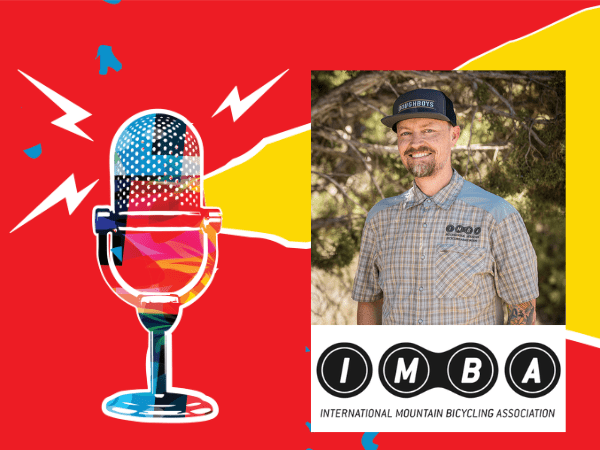
In the world of mountain biking, the International Mountain Bicycling Association (IMBA) stands out as a dedicated force, working tirelessly to create, protect, and enhance the sport of mountain biking through advocacy, community engagement, and trail development. At the helm of IMBA’s efforts to support local communities and trail nonprofits is Anthony Duncan, the Director of Local Programs, who plays a pivotal role in connecting organizations with resources and helping them navigate the complexities of trail development.
IMBA is a nonprofit organization that focuses on providing support to communities and nonprofits involved in mountain biking and trail building. Its mission revolves around ensuring that mountain biking remains a sustainable and accessible activity for everyone, from novices to seasoned riders. As the Director of Local Programs, Anthony is responsible for fostering grassroots support across the country, working closely with organizations to build capacity and assist in the planning, vision-setting, and completion of trail projects.
Anthony’s journey with IMBA began long before taking on his current role. He started out as a volunteer board member for his local mountain biking nonprofit, hooking him into the community. This hands-on experience led Anthony to assume the role of president of the organization, where he helped rebuild and revitalize the group. Over the course of several years, Anthony developed a wealth of knowledge about nonprofit management and trail development, which eventually caught the attention of IMBA.
"When IMBA posted a job for a Regional Director position, I saw an opportunity to apply what I had learned to help other nonprofits across the country," Anthony says.
This change led to a transition from local leadership to a national level of support, where Anthony now helps organizations navigate everything from funding to planning and long-term sustainability.
Managing over 200 member organizations nationwide, each with varying levels of experience, resources, and goals, presents significant challenges for IMBA. Some of these organizations are startups with limited budgets, while others have been around for decades and boast robust programs with paid staff. The challenge, according to Anthony, lies in offering tailored support to all these groups, meeting each organization where they are and helping them grow at their own pace. However, the work remains deeply rewarding, particularly when it comes to seeing the tangible results of the organization's efforts.
"The most rewarding part of my work is seeing the success that local organizations have," Anthony says. “When we provide grants and support, it’s amazing to see kids riding on the trails or see a community enjoying something they helped create. Knowing that we had a small hand in that success is deeply fulfilling.”
IMBA has run two grant programs for the past five years, funding a wide range of trail projects across the country. These programs, along with ongoing support, have helped communities not only build trails but also foster a sense of connection and ownership over these spaces. For Anthony, seeing the results of these projects, whether it’s in local news coverage or just the joy of a rider on a well-built trail, is the most rewarding aspect of his work.
While several other organizations offer education and support for trails, IMBA’s combination of education and active advocacy at a national level sets it apart from the rest. Through its dedicated government affairs team based in Washington, D.C., IMBA works to influence policy decisions and ensure that the needs of the mountain biking community are considered at the legislative level. This advocacy is crucial, especially as challenges around land management and funding loom on the horizon.
“We are the only organization that combines national-level advocacy with trail education," Anthony says. "This unique position allows us to not only provide educational resources to local communities but also to ensure that the policy landscape remains supportive of mountain biking and trail development.”
Looking forward, Anthony acknowledges potential challenges posed by shifts in federal policy. While funding for trails remains a concern, one of the more pressing issues is the potential reduction in staff at federal agencies like the Bureau of Land Management (BLM) and the U.S. Forest Service. These agencies are vital to supporting local trail organizations, and any reduction in staff or resources could slow down trail development efforts.
“We are anticipating some challenges, not necessarily around funding but definitely around staffing,” Anthony says. “The impact could be felt on the ground, especially for clubs that rely heavily on federal support.”
IMBA’s reach extends beyond mountain biking and trail development. Through its programs, the organization provides support to a broad network of community leaders, tourism bureaus, and economic development councils. Anthony emphasizes that IMBA’s commitment is to the entire ecosystem surrounding trails, not just riders.
"Even though we're mountain biking and trail focused, we also support the wider community,” Anthony says. “Those who help drive tourism or economic growth tied to outdoor recreation."
By offering these resources, IMBA has become more than just a national advocacy organization; it’s a vital resource for entire communities that understand the value of outdoor spaces and recreation in fostering local growth.
For Anthony and IMBA, the work is about more than just trails. It’s about creating a sustainable future for mountain biking, advocating for policies that support trail development, and empowering local organizations to thrive. With their grassroots approach, IMBA continues to help shape the future of mountain biking, one trail at a time.
Search GrantStation for Parks and Recreation Grants and Trails Grants from funders that are accepting requests from new grantseekers.