![[current-page:title]](svg/facebook.svg)
![[current-page:title]](svg/linkedin.svg)
![[current-page:title]](svg/email.svg)
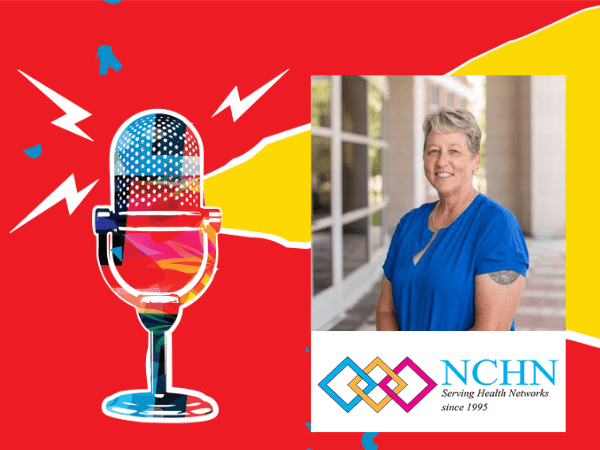
In its 30th year of operation, the National Cooperative of Health Networks Association (NCHN) continues to play a pivotal role in improving healthcare access for underserved and rural communities across the United States. The organization, led by Executive Director Linda Weiss, works tirelessly to support health networks—collaborations of independent organizations coming together to offer healthcare services in regions where resources are limited. With an annual conference and several special interest calls throughout the year, NCHN provides invaluable opportunities for health leaders to connect and collaborate so that they can provide essential services in their communities.
With a small staff—Linda and a dedicated administrative assistant—NCHN makes a big impact in the healthcare space, despite its lean structure. This collaborative approach is crucial for serving communities in need and providing the support that network leaders require.
“We’re small but mighty,” Linda says. “There are just two of us on staff, but we support over 1,000 health organizations across the country through our network members.”
Linda's path to NCHN is rooted in a deep commitment to community health. A licensed clinical social worker by training, she began her career in the behavioral health field, where she played a leadership role in a network in rural Illinois. It was through this position that Linda was introduced to NCHN. Over the years, she remained connected to the organization, attending conferences, joining the board, and staying engaged with its work.
Eventually, when the need arose for part-time help during a leadership transition at NCHN, Linda was asked to step in. That initial involvement soon turned into a full-time position, and five years ago, she took over as executive director. The transition to leading NCHN has been both challenging and rewarding, with the satisfaction of knowing that the work done by the organization helps to ensure that rural communities continue to have access to quality healthcare.
Running an organization like NCHN is not without its challenges. With limited financial resources, the organization faces the ongoing task of balancing its budget with the growing demands of its members.
"The most challenging part is doing everything with a small team,” Linda says. “We’d love to hire more staff to help with the workload, but we just don’t have the financial capacity for it."
Despite these challenges, the rewards are clear. NCHN provides invaluable support to health network leaders across the country, allowing them to do their work more effectively and improving healthcare access for rural populations. The impact of this work is particularly evident in how the organization helps leaders stay connected and share resources with one another.
While NCHN operates in a space that overlaps with other organizations focused on healthcare, it stands apart in its singular dedication to health networks. Unlike associations focused on health systems or hospitals, NCHN serves a niche group of organizations coming together to collaborate for better community health. This focus allows NCHN to offer highly specialized support to network leaders, giving them the tools they need to make a difference in their communities.
"There isn’t another organization that focuses solely on health networks. That’s what makes us unique," Linda says.
Like many in the nonprofit space, NCHN is feeling the pressure of a changing political climate. The potential loss of federal funding and the uncertainty surrounding policy changes have raised concerns for the organization and its members and could have a direct impact on NCHN, as well as the healthcare services available in rural communities.
“Some of our members rely on federal funds, and if those funds disappear, they may not be able to continue operating,” Linda says.
In fact, recent political shifts have already had tangible effects on NCHN’s operations. A speaker and exhibitor scheduled for NCHN’s upcoming conference had to cancel due to funding pressures and uncertain mandates, highlighting the real-world consequences of current policy changes.
While the political landscape poses significant challenges, Linda remains hopeful about the future of NCHN and the health networks it serves. The current level of engagement and investment is crucial for the continued success of NCHN and its mission to support rural healthcare.